Ancestral teaching supports radical inclusion
Cultural practices and Indigenous worldview offer us a priceless model of balance and key strategies to restoring calm inside of chaos.
Native ways of knowing and ancestral knowledge are often absent perspectives in national conversations about community and sustainability.
Seven generation thinking puts our work into long-range perspective and grants us the time we need to pause, reflect, and enjoy the journey of teaching and learning alongside our students, sometimes as guides, sometimes as peers, and sometimes as eager pupils.
Movement-based content learning and human-centered design supports radical inclusion of all students.
This is the connection to our ancestral roots.
This is the harmony so many of us seek.
This is the strategic counterbalance to educator burnout, disengaged learners, explosive behaviors, and other temporary obstacles to teaching and learning.
Leslie Kimiko Ward is a former professional ballet dancer turned teaching artist and thought leader in the field of education. She has 35 years of professional teaching experience working with students from aged 3 to 93,
Leslie began teaching in private dance studios at the age of 15. Seeking to work with a more diverse student population, at 19 she began participating in outreach in K-12 schools from Columbus, OH to Anchorage, AK. She has also worked in Yup’ik, Inupiaq, and Athabascan tribal villages.
20 years ago she began coaching educators to incorporate movement into lesson planning for increased success. Partnering with regional arts organizations and federal organizations like the Kennedy Center, Leslie created and delivered accredited professional development in movement-based learning.
Leslie also spent 10 years on faculty with the University of Alaska Anchorage, in the Department of Theater and Dance, co-directing the university dance company. While on faculty, Leslie created coursework regarding the transformative role of movement in elementary education.
In 2016, Leslie partnered with rural education researcher Dr. Jesse Longhurst, to examine the efficacy of 1000 Cranes’ strategies to improve student outcomes. The peer-reviewed study affirming the success of the work was presented at the American Education Research Association’s (AERA) Annual Conference in 2017.
Leslie holds a Bachelor of Fine Arts (BFA) in Dance from The Ohio State University, an Alexander Technique Teacher Certification from the Contemporary Alexander School, and a Masters in Teaching (MAT) from Lewis & Clark Graduate School of Education and Counseling. She is licensed to teach K-12 in Oregon and Washington, with multiple endorsements and certifications.*
9 years ago, Leslie began teaching full time in the gen-ed classroom in a wide variety of K-12 public schools. From inner city Title 1 behavioral schools to remote Alaska Native village schools to suburban middle class schools, Leslie continues to leverage her skills and expertise to support historically marginalized learners and communities.
Leslie’s work centers radical inclusion, Indigenous knowledge, disability justice, and humanity-based practices that expand access, increase belonging, and compound success for all learners.
*Endorsements: Elementary Education, English to Speakers of Other Languages (ESOL), Dance, and Physical Education. Professional certifications: Science of Reading early literacy program, the Orton Gillingham Method for dyslexia intervention + numerous smaller certifications, such as the Confederated Tribes of the Grande Ronde elementary curriculum certification.
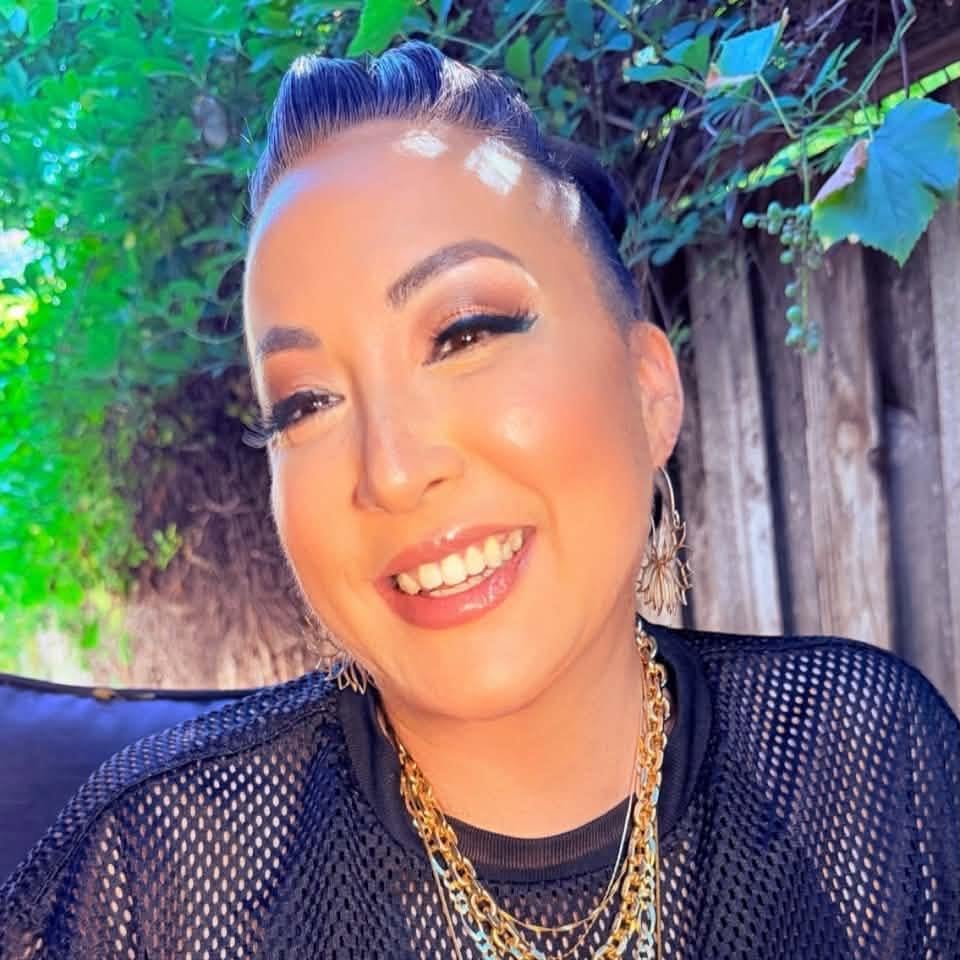
Meet the Founder, Leslie Kimiko Ward
Schedule time to meet with me.
Tell me more about you and your goals for your product/organization. We’ll find time to connect.